Tree diseases are a growing concern for homeowners, land managers, and councils across Scotland. Whether caused by fungi, bacteria, or pests, these issues can compromise the health, structure, and safety of your trees. They also threaten biodiversity, especially where non-native pathogens are involved.
This guide explores the most common tree diseases in Scotland, with expert insight on how to recognise symptoms early and what to do if you suspect your tree is affected. While tailored for those managing tree health in Edinburgh, this information applies across the country.
Why Tree Health Matters in Scotland
Trees are essential to Scotland’s landscape. They offer carbon storage, habitat, shade, wind protection, and visual value. But tree diseases, if left unmanaged, can:
- Spread to other trees or hedgerows
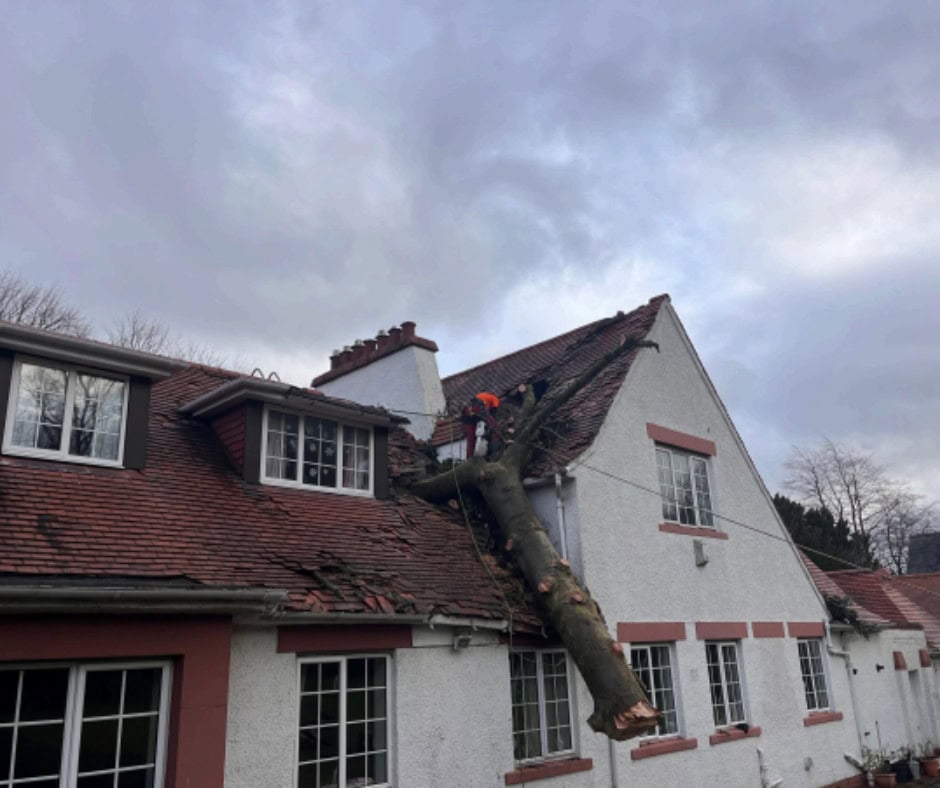
- Cause branches or entire trees to fall, creating hazards
- Require costly removal or emergency intervention
- Impact wildlife and pollinator habitats
- Affect property value and local ecology
In built-up areas like Edinburgh, early identification is especially important, where tree failures can pose significant risks to people and property. Regular checks and expert input are key to preventing serious issues
How to Spot Tree Disease – Key Symptoms
Leaf Discolouration
If leaves turn yellow, brown, or black outside of autumn, or if they show signs of spotting, blisters, or unusual patterning, disease may be present. Common signs include:
- Black or brown blotches
- Yellowing between veins
- Premature leaf loss
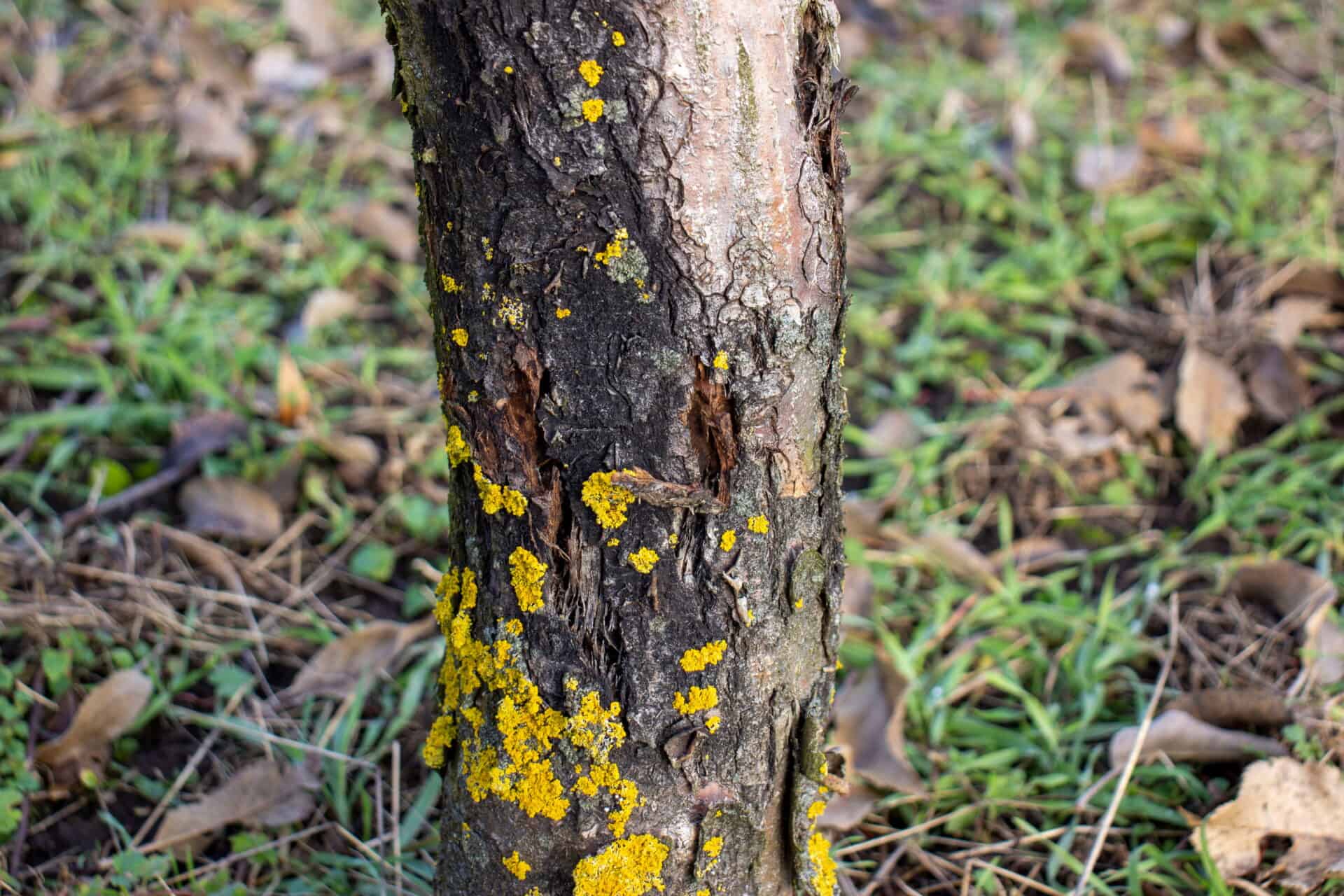
Bark Damage or Cankers
Split, sunken, or flaking bark could indicate fungal or bacterial infections. Cankers (dead sections on bark) often appear as oval or elongated wounds and can cut off nutrient flow to limbs.
Dieback and Dead Branches
When upper branches stop producing leaves or buds and become brittle, this is called dieback. It’s often a symptom of stress or internal infection. In some cases, it can signal root rot or vascular failure.
Fungal Growth Around Base
The presence of fungal bodies (mushrooms or toadstools) at the tree base can suggest decay. Honey fungus, for example, is a destructive root disease indicated by clusters of pale-yellow mushrooms and a white fungal layer under the bark.
Explore detailed symptom profiles and access a comprehensive identification guide suitable for all tree species:
Five Common Tree Diseases in Scotland (With Symptoms)
1. Ash Dieback (Hymenoscyphus fraxineus)
- Host: Ash trees
- Symptoms: Leaf wilting, crown dieback, diamond-shaped bark lesions
- Notes: Ash dieback is now widespread across the UK, including Scotland. Infected trees often require professional removal, particularly if located near footpaths or roads.
2. Dutch Elm Disease
- Host: Elm trees
- Symptoms: Yellowing leaves, branch wilting, brown streaks in wood
- Notes: Spread by elm bark beetles, this aggressive fungus has devastated elm populations. Early removal can limit the spread.
3. Phytophthora Root Rot
- Host: Beech, oak, yew, rhododendron
- Symptoms: Root decay, bleeding cankers on trunk, stunted growth
- Notes: Soil-borne and water-spread. Drainage improvements and resistant planting are often needed.
4. Horse Chestnut Leaf Blotch (Guignardia aesculi)
- Host: Horse chestnut trees
- Symptoms: Brown blotches on leaves, premature defoliation
- Notes: Not usually fatal, but repeated infections can weaken the tree over time.
5. Honey Fungus (Armillaria)
- Host: Broad range of trees and shrubs
- Symptoms: White mycelium under bark, honey-coloured mushrooms at base
- Notes: Highly aggressive. No effective chemical treatment—infected trees must be removed and the surrounding soil may be affected.
Learn more about Key Tree Diseases
What to Do If You Suspect Tree Disease
If you notice any of the signs above:
- Do not attempt to treat or prune the tree yourself, especially if it is large or located near buildings. Incorrect pruning may spread the infection.
- Seek advice from a certified arborist or tree surgeon, who can diagnose the issue and advise on next steps.
- Infected material should be disposed of properly to prevent further spread.
At Heartwood Tree Care, we offer disease diagnosis, pruning, and tree removal services in Edinburgh, Ratho, and the surrounding areas. Learn more about our tree pruning services or emergency tree work.
Preventing Tree Disease – Best Practices
Proactive care is the best defence against tree disease. Here are some key prevention strategies:
- Choose native and disease-resistant species when planting
- Avoid overwatering or poor drainage around roots
- Use mulch carefully (avoid piling against the trunk)
- Sterilise tools between trees when pruning
- Prune at the correct time of year (typically winter or early spring)
- Book regular inspections with a qualified professional
You can read about proper tree establishment practices on the UK Government’s tree planting guidance page
Local Help for Tree Disease Diagnosis and Management
Whether you need advice on managing ash dieback or removal of a tree infected with honey fungus, Heartwood Tree Care provides professional, accredited services, including:
- Tree health assessments
- Risk evaluation and site surveys
- Safe dismantling and felling of infected trees
- Stump treatment and replanting guidance
We’re based in Ratho and work across East Lothian, Mid Lothian, Falkirk, and Stirling. Contact us for tailored advice or to schedule a site visit:
Frequently Asked Questions About Tree Diseases in Scotland
How can I tell if my tree is diseased or just stressed?
Stress and disease can look similar, but ongoing symptoms like repeated leaf loss, dieback, bark damage, or fungal growth usually indicate disease rather than short-term stress.
Are tree diseases common in Scotland?
Yes. Tree diseases are increasingly common across Scotland due to climate change, imported pathogens, and environmental pressure on urban and rural trees.
Can tree diseases spread to nearby trees?
Yes. Many tree diseases spread through soil, water, air, insects, or contaminated tools, which is why early diagnosis and control are important.
Should I prune a diseased tree myself?
No. Incorrect pruning can worsen the condition or spread infection. It’s best to seek advice from a qualified tree surgeon or arborist.
Do diseased trees always need to be removed?
Not always. Some diseases can be managed with pruning, monitoring, or soil improvement. Severe cases, such as advanced ash dieback or honey fungus, may require removal for safety.
Who should I contact if I’m concerned about tree disease?
A professional tree surgeon can assess the tree’s condition and advise on treatment or removal. Heartwood Tree Care offers expert inspections and advice across Edinburgh and the surrounding areas.
Taking Action to Protect Your Trees and Property
Tree diseases are becoming increasingly common across Scotland due to environmental pressures and the spread of invasive pathogens. But early intervention and expert support can protect your property, wildlife, and local canopy.
If you’re unsure whether your tree is healthy, don’t wait until branches start falling – speak to an expert. At Heartwood Tree Care, we’re passionate about preserving trees where possible and acting swiftly where removal is necessary.
Explore our services:
Or speak directly with our team:
Phone: 0131 581 8203
Email: in**@*********co.uk